Process That Generates Test Ideas From A Software Testing Taxonomy
TL;DR In the last post, we tried to explain secret mind mapping mechanics that help us in software testing. Today we describe an example of a process that generates test…



TL;DR In the last post, we tried to explain secret mind mapping mechanics that help us in software testing. Today we describe an example of a process that generates test…


TL;DR In this week’s reading club, we present you with an excellent example of how to use the Zendo board game to gamify the software testing learning experience. Gregory Paciga…
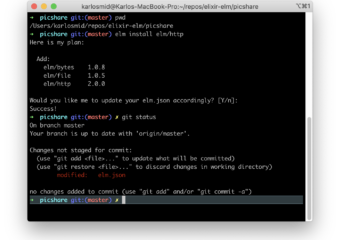
TL;DR In the previous post, we created the Picshare Photo Decoder. Today we are making our first Elm HTTP Request. This post is part of the functional language series, and…
elixir, functional programming
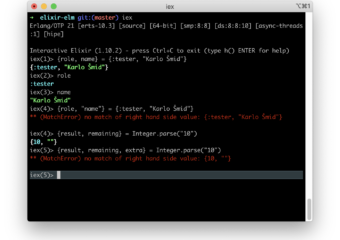
TL;DR In the previous post, we presented the pattern matching operator. Today we explain Elixir tuples Pattern Matching. This post is part of the functional language series, and it is…

BBST Foundations, introduction
TL;DR In the previous posts, we explained what Coverage Criteria is: the problem of Characteristics Of Good Coverage Criterion, Infeasible Test Requirements, What Is Coverage Criterion In Software Testing, How To…
TL;DR In the last post, we brainstorm test ideas without taxonomy on a real example, and then we analyzed the session report using SF DEPOT software testing taxonomy. The idea…

TL;DR In this week’s reading club, we encourage you not just to read an excellent example of how to do context-driven testing, Considerations when testing a software application in a…