


What Are Beizer Testing Levels
TL;DR In the previous post, we described the famous testing V-Model. This time we introduce you to testing levels based on Test process maturity, Beizer’s Testing Levels. We will introduce…


SSL Certificate Is Technical Knowledge
TL;DR We recommend an excellent post, Dissecting an SSL certificate by Julia Evans explains SSL Certificates. In the software testing community, there is a buzz that you do not have…
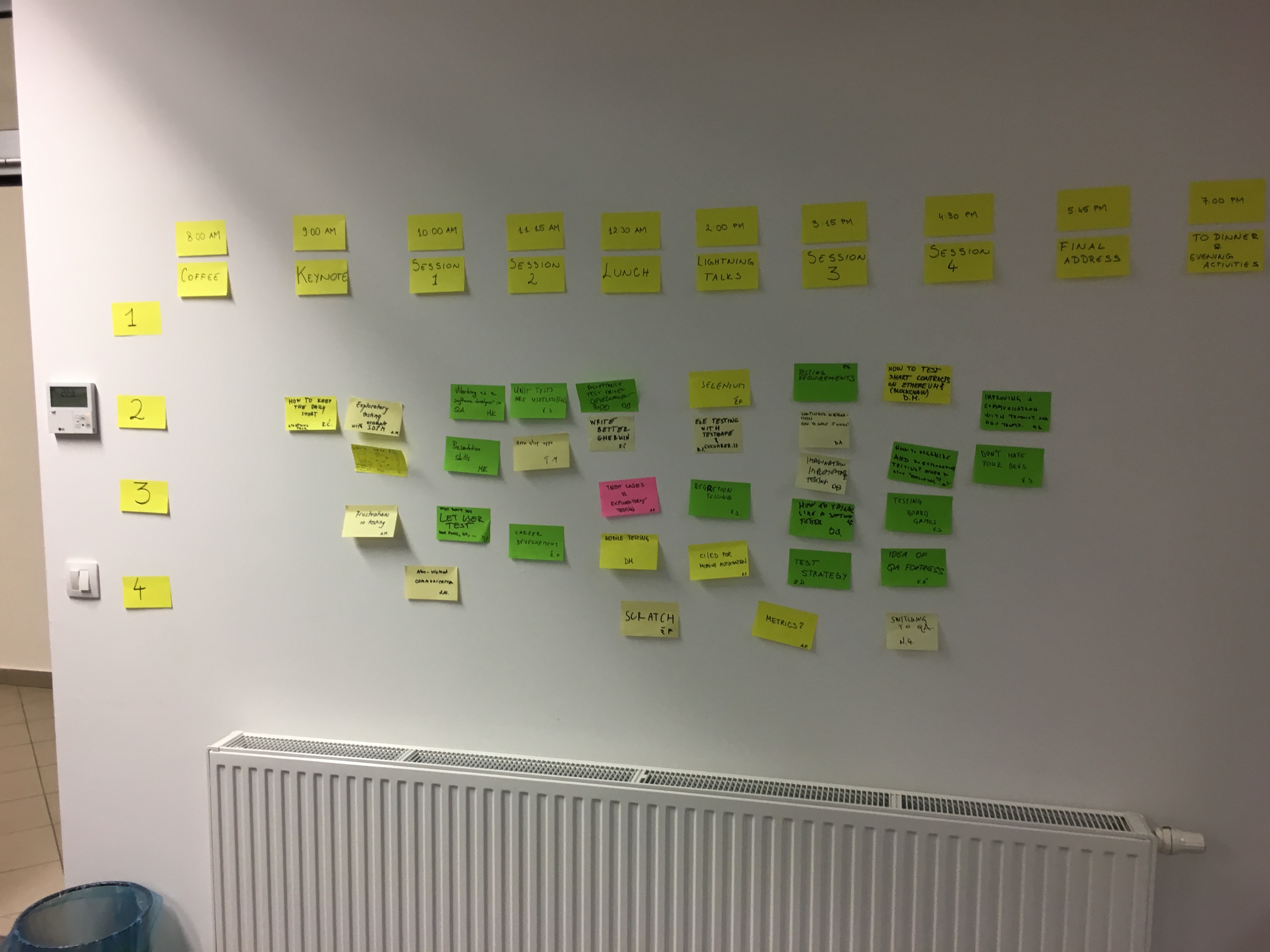
Why You Should Use Sticky Notes For Scheduling
TL;DR In the previous post, we learned five scheduling techniques. In this post, we will list the benefits of low tech scheduling tool, sticky notes. The post is based on…
Elm Type Annotations
TL;DR In Elm Static Types, we discussed why Elm is a statically typed language. Today we talk about important feature, Elm type annotations. This post is part of the functional…
Atoms In Elixir
TL;DR In the previous post, we explained Elixir Numbers. Today we discuss Elixir literal named constants, atoms. This post is part of the functional language series, and it is based…

What Is Exploratory Testing
TL;DR Exploratory testing is a hot topic among testers. But what is exploratory testing? Let’s explore what James Bach said on this topic in his archive article What Is Exploratory…

Testing Levels Relate To Software Activities – V Model
TL;DR In the previous post, we described the activities of the test engineers. When we talk about testing levels, that level should be related to something. Testing levels are related…

What Is Phenomenon Based Learning
TL;DR In this week’s reading club, we recommend an article, Yeap! Finland Will Become The First Country In The World To Get Rid Of All School Subjects that will give…

Five Scheduling Techniques
TL;DR In the previous post, we learned that planning and scheduling are two separate project activities. In this post, we will discover that there are five scheduling techniques, top-down, bottom-up,…